

The best time for a safari in Tanzania? June to October is a natural choice for generally drier safari conditions. January and February are particularly appealing for green landscapes and wildlife around Ndutu. The best fit for you depends on your expectations and your itinerary. Below, we explore the seasons in northern Tanzania, focusing on Tarangire, the Serengeti and the Ngorongoro Crater.
The dry season: June to October
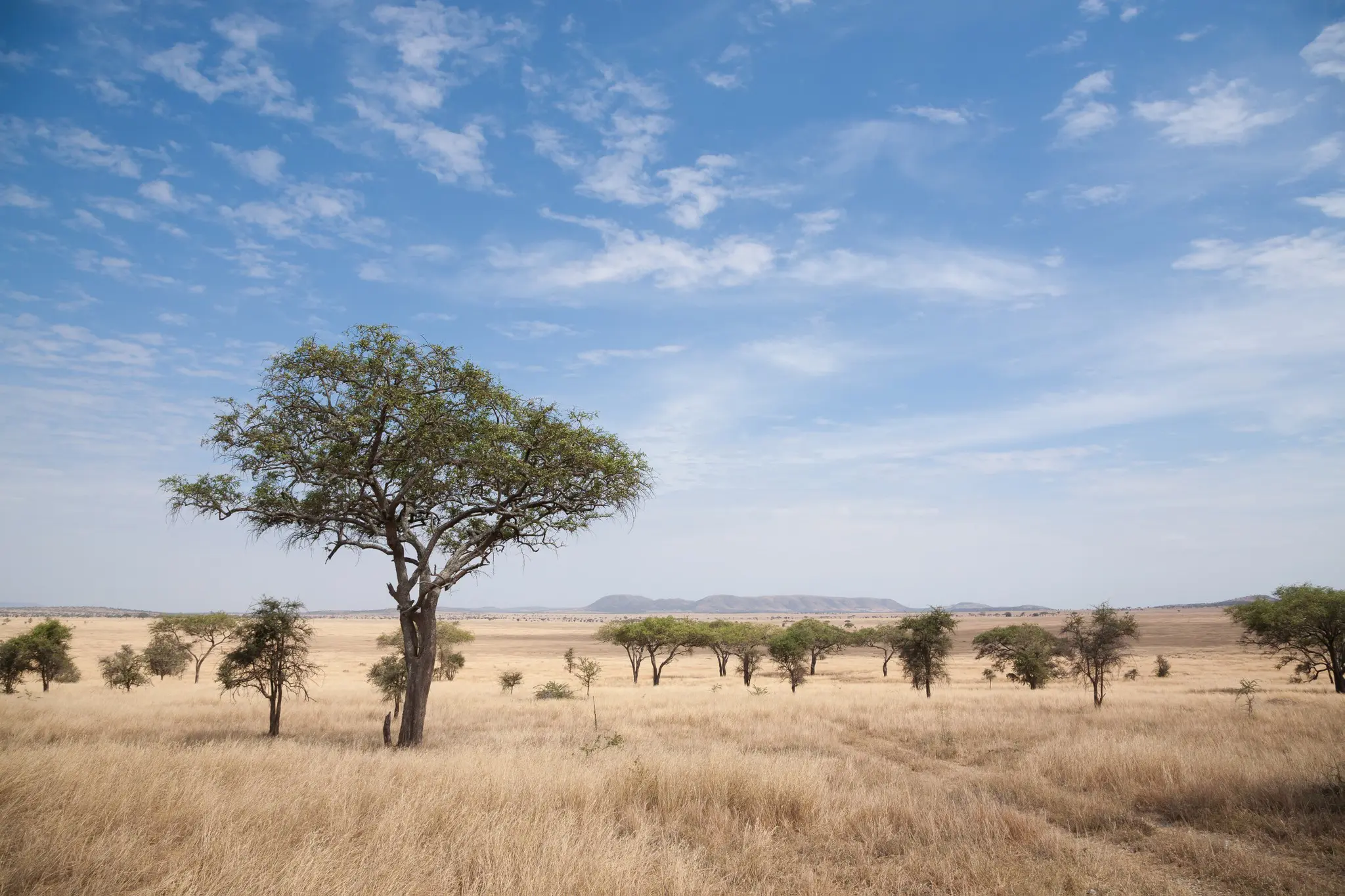
Looking mainly for drier conditions on safari? Then June to October is a natural choice. These months generally mark the long dry season in northern Tanzania. The vegetation gradually dries out, and in many places animals gather around the available water.
As the vegetation becomes less dense, animals can sometimes be easier to spot. You'll see a landscape that changes as the dry season progresses. This makes these months appealing if you mainly want to spend your time finding and watching wildlife.
Still, every day on safari is different. Rain is possible even in the dry season, and animals roam freely. Think of this period as a choice for generally drier conditions, not a guarantee of particular sightings.
Green landscapes and Ndutu: January and February
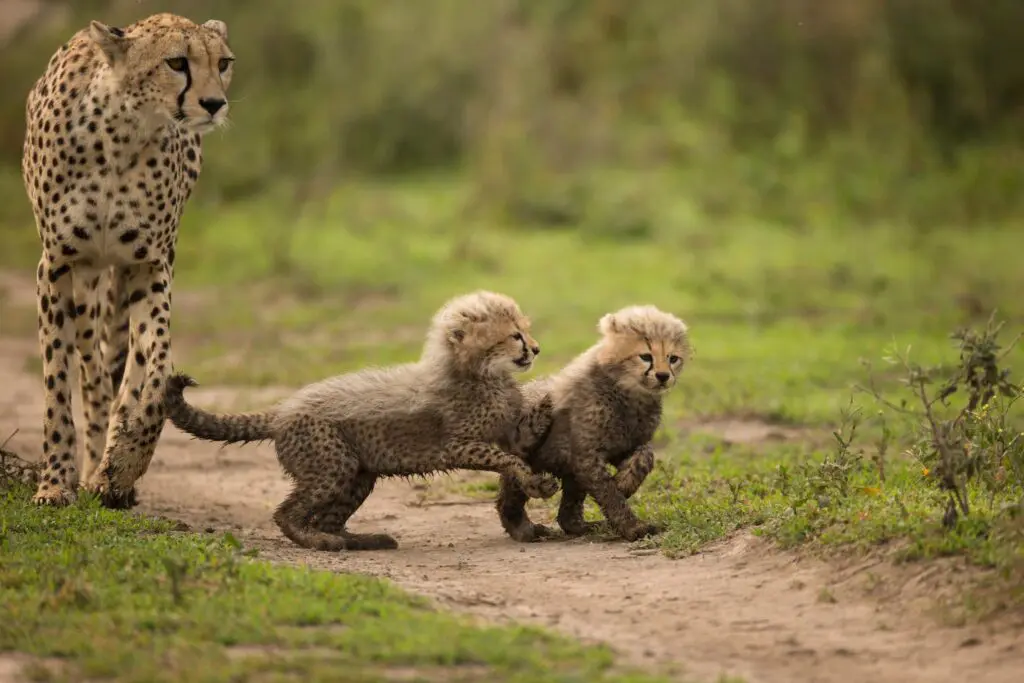
A safari doesn't have to take you through a dry landscape. January and February are generally relatively dry months between the rainy seasons, while earlier rainfall can leave the landscapes green. This gives you a different setting for watching wildlife.
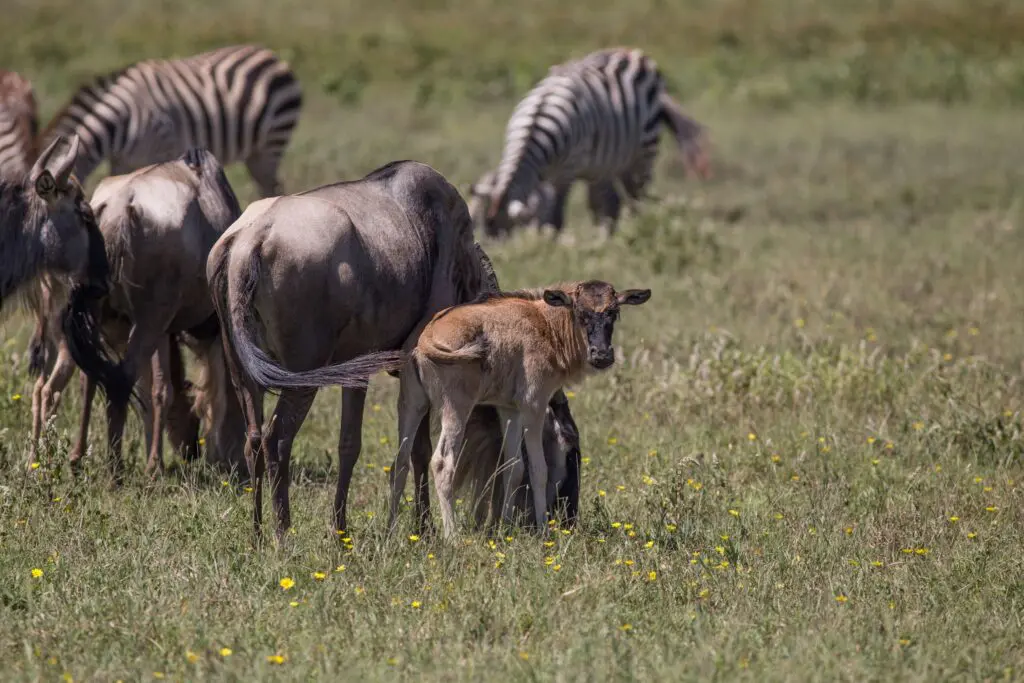
The southern Serengeti plains and the Ndutu region are generally particularly interesting for migrating herds and the calving season from around January to March. February is often a key month for wildebeest births. If this seasonal wildlife appeals to you, January and February are worth considering.
Here too, nature decides what you'll see along the way. Herds, births or predators are not guaranteed on your safari day. And December to March is not one continuous dry period: December and March are transitional months with more variable conditions.
What do the rainy seasons mean for your safari?
The long rains generally fall between March and May, with April and May being particularly rainy months. Rain can affect roads and safari conditions. That doesn't mean it rains nonstop every day: the timing and pattern vary from year to year.
May marks the transition towards the drier season, but is not necessarily as dry as July or August. The short rains usually fall around November and December. Their timing can also shift.
The overview below helps you compare the different periods. It describes general patterns for northern Tanzania, not a weather forecast for your trip. The climate varies across Tanzania, so this overview doesn't necessarily apply to every region.
| Period | General pattern in northern Tanzania |
|---|---|
| December | A transitional period with variable conditions; the short rains may still play a role. |
| January–February | Generally relatively dry, with green landscapes and an appealing time to visit the Ndutu area. |
| March–May | Long rains and seasonal transition, with differences between months. May is not guaranteed to be dry. |
| June–October | Generally the long dry season. |
| November | Generally the short rains, with variable timing. |
The Great Migration: the right time and the right place
The Great Migration is the annual movement of vast herds through the Serengeti–Masai Mara ecosystem. The animals follow food and water, so the calendar is only a guide. Around January to March, the southern plains and Ndutu are generally particularly interesting; later, the herds move further west and north. The famous Mara River crossings take place in the north and are not part of the current Tanzania Nomads itinerary. A safari in July or August therefore doesn't automatically mean you'll see a crossing: your route also needs to reach the right region. The migration is also much more than a river crossing, and the Serengeti remains a safari destination even without the great migrating herds.
Which travel period suits you?
Start not just with the calendar, but also with what you hope to experience along the way. That makes choosing easier:
- Mainly looking for drier safari conditions? Consider June to October.
- Interested in green landscapes and Ndutu? January and February are particularly appealing.
- Travelling in December, March or May? Allow for seasonal transitions and variable conditions.
Next, check whether the areas on your route match your expectations. A month that is good for migrating herds in one region doesn't tell you everything about another place. There is no month that guarantees good weather, particular animals or migration scenes. That sense of possibility and those unexpected encounters are part of what makes a safari special.
When can you travel with Tanzania Nomads?
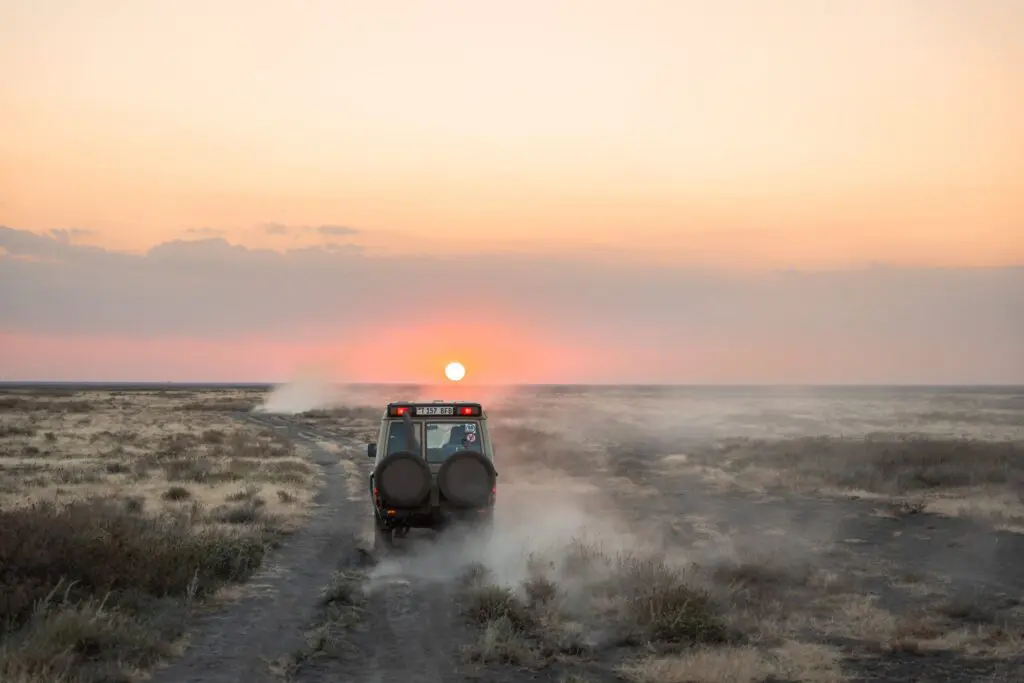
With Tanzania Nomads, you'll travel through northern Tanzania for 8 days and 7 nights. You'll have your own Toyota Land Cruiser and a local private driver-guide, travelling with your own group of 2 to 6 people. The route takes in Tarangire, the Ngorongoro Conservation Area, the Ndutu region and the Serengeti, including a safari in the Ngorongoro Crater.
The travel periods currently published are December 2026–March 2027 and May–October 2027. These are the periods on offer, not months that all share the same weather conditions. Check the current programme for the exact departure dates available to book.