
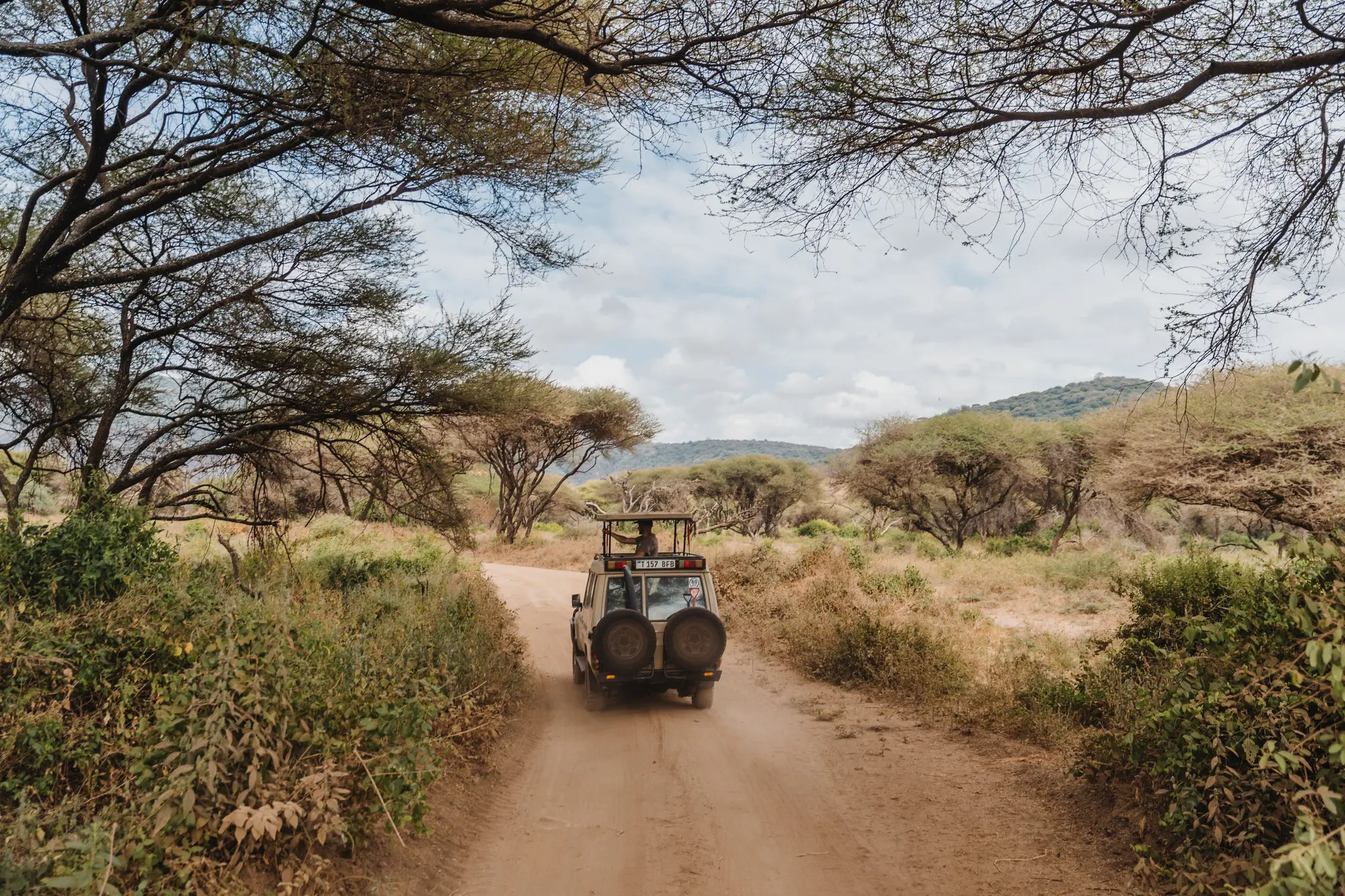
You might see a herd moving across the landscape, or spend a while watching an animal quietly going about its day. On safari, you discover wildlife in its natural habitat, never knowing what you’ll encounter next. That’s what makes a first safari in Tanzania so special. But what does the trip actually involve? From travelling with your guide to staying in a safari camp, here’s what to expect.
What does a safari involve?
A safari is all about watching, searching and taking your time. You drive through wildlife areas, observing the animals and landscapes you come across along the way. Sometimes there’s plenty to see straight away; sometimes you need to look for longer. Animals roam freely, so every day on safari is different.
With Tanzania Nomads, you travel through northern Tanzania for 8 days and 7 nights, in your own group of 2 to 6 people. You have your own Toyota Land Cruiser 4×4 and a private local driver-guide. You don’t drive yourself, and you don’t share the vehicle with travellers who have booked separately.
Your route and overnight stays are planned in advance. Within that itinerary, your guide adapts each safari day to the conditions, wildlife sightings and opportunities in the parks. So you don’t have to organise all the travel arrangements yourself.
What might you see along the way?
The itinerary takes you to three different wildlife areas. Each has its own landscape, giving you a different setting in which to observe the animals.
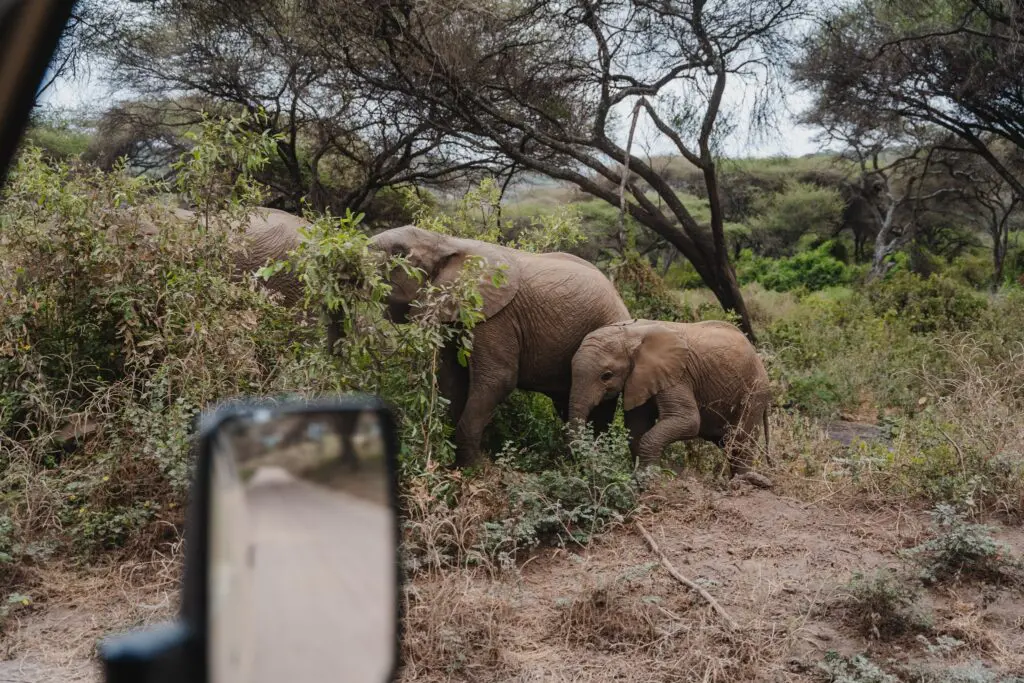
- Tarangire National Park is known for its elephants, baobab trees and varied landscapes.
- The Serengeti is famous for its vast plains and abundant wildlife.
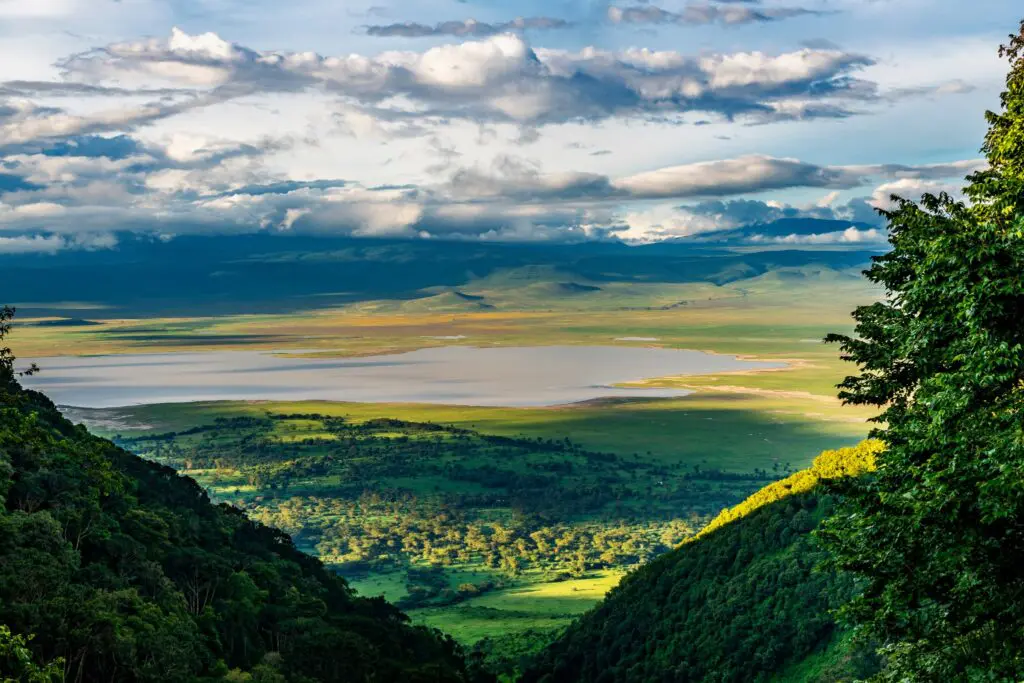
- Ngorongoro Crater is part of the Ngorongoro Conservation Area. You descend to the crater floor, where grasslands, water and wooded areas attract a variety of animal species.
That doesn’t mean any particular sighting is guaranteed. A bird, a passing herd or the behaviour of a single animal can be just as captivating. Often, a safari becomes truly interesting when you take your time to watch and discover what unfolds.
What does your driver-guide do?
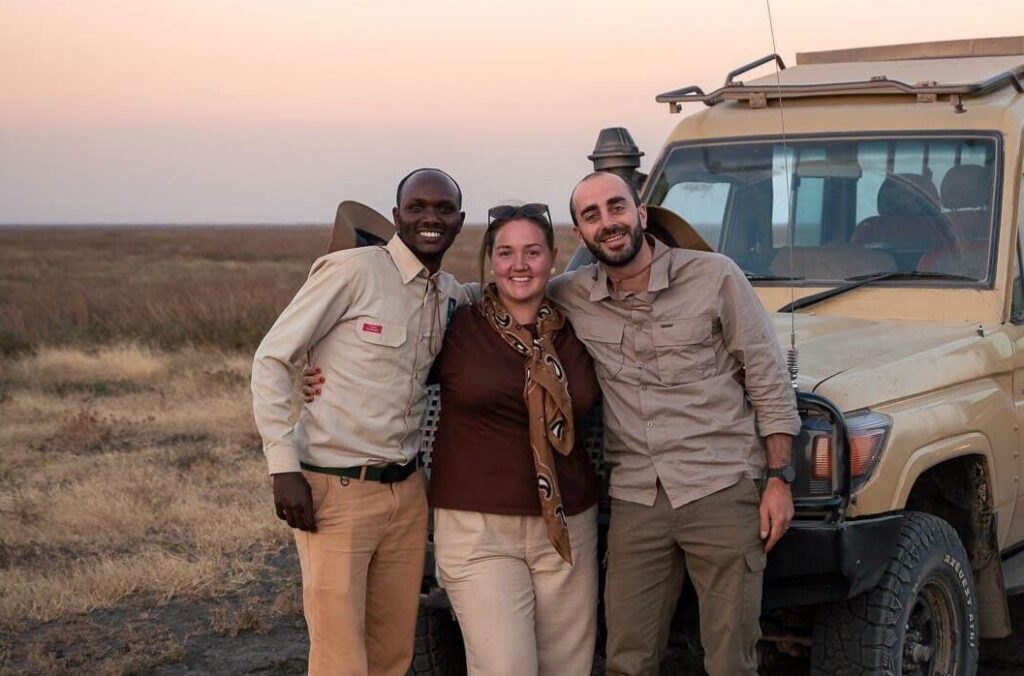
Your driver-guide drives the Land Cruiser, helps you find and identify animals, and shares his knowledge of the natural world. See something you don’t recognise? Just ask. Questions about animal behaviour, the landscape or the places you visit are all welcome.
Your guide also helps with the practical travel arrangements and park entry procedures. That’s reassuring on a first safari: you have someone with you who takes care of both the driving and the guiding. You can focus on what there is to see outside.
Do you spend the whole trip in the vehicle?
No, but the vehicle does play an important role during your trip. You’ll use it for safaris and to travel between the different accommodations. On some days, you’ll combine a transfer with wildlife viewing along the way.
Between drives, you’ll stay in hotels, lodges and safari camps. During the safari itself, follow your guide’s instructions: you can only get out where it’s permitted.
Where do you sleep?
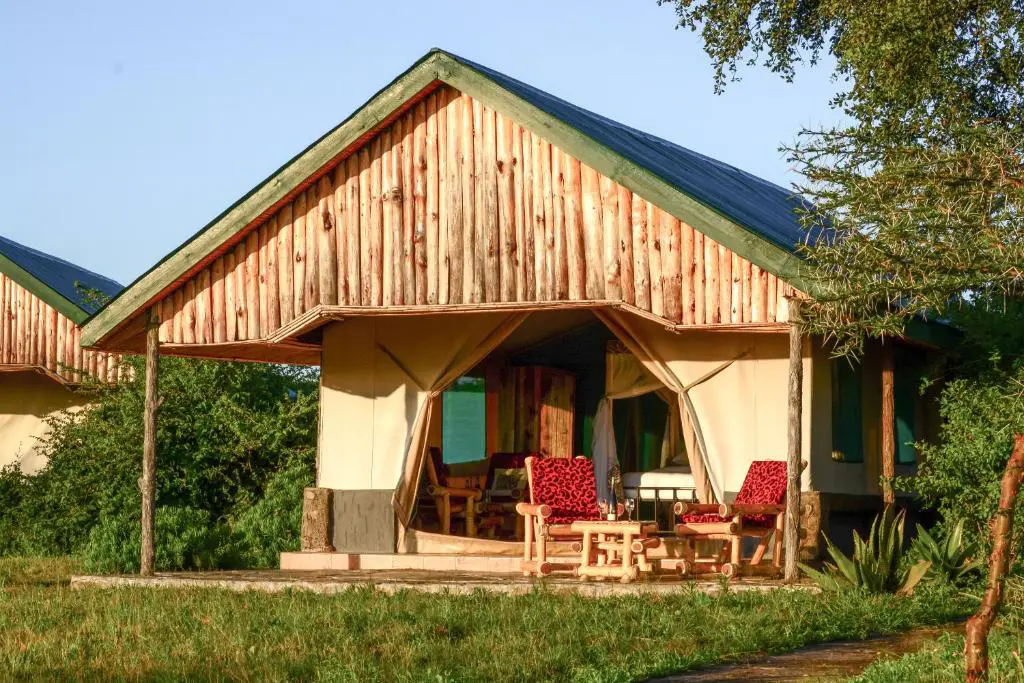
You stay in a combination of hotels, lodges and safari camps. The Standard option is included in the base price. For four nights, you sleep in a compact safari tent with shared bathroom facilities.
If you choose Comfort, you spend those four nights in a larger safari tent with a private bathroom and toilet. The two nights in Arusha and the night in Karatu are the same for both options. The main difference is your tent and bathroom facilities during the nights at camp.
What’s arranged in advance?
The main logistics are taken care of. The vehicle, private driver-guide, fuel for the planned route, seven overnight stays, the main park entry fees and permits, and most meals are included. Airport transfers between Kilimanjaro International Airport and Arusha are included too.
Not all meals, personal expenses or optional activities are included. Check the current Tanzania Nomads itinerary before you go, so you know what’s covered. You also choose the accommodation option that suits you: Standard or Comfort.
A few tips for your first safari
You don’t need to be a wildlife expert to enjoy a safari. Curiosity and patience go a long way.
- Give it time. Quiet moments are just as much a part of safari as days filled with sightings.
- Ask questions. Your guide can explain what you’re seeing and help you understand animal behaviour.
- Take in the landscape too. Your surroundings are part of the experience, not just a backdrop.
- Take your time to watch. Watching for longer can reveal details you didn’t notice at first.
- Follow your guide’s advice and the park rules. Keep your distance from wild animals, don’t feed them, and only get out of the vehicle where it’s permitted and your guide says you can.
It’s a way to discover Tanzania with your partner, family or friends, while the driving and main logistics are taken care of.